Cultural Importance
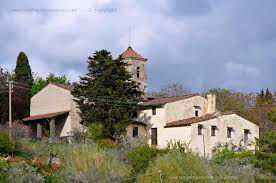
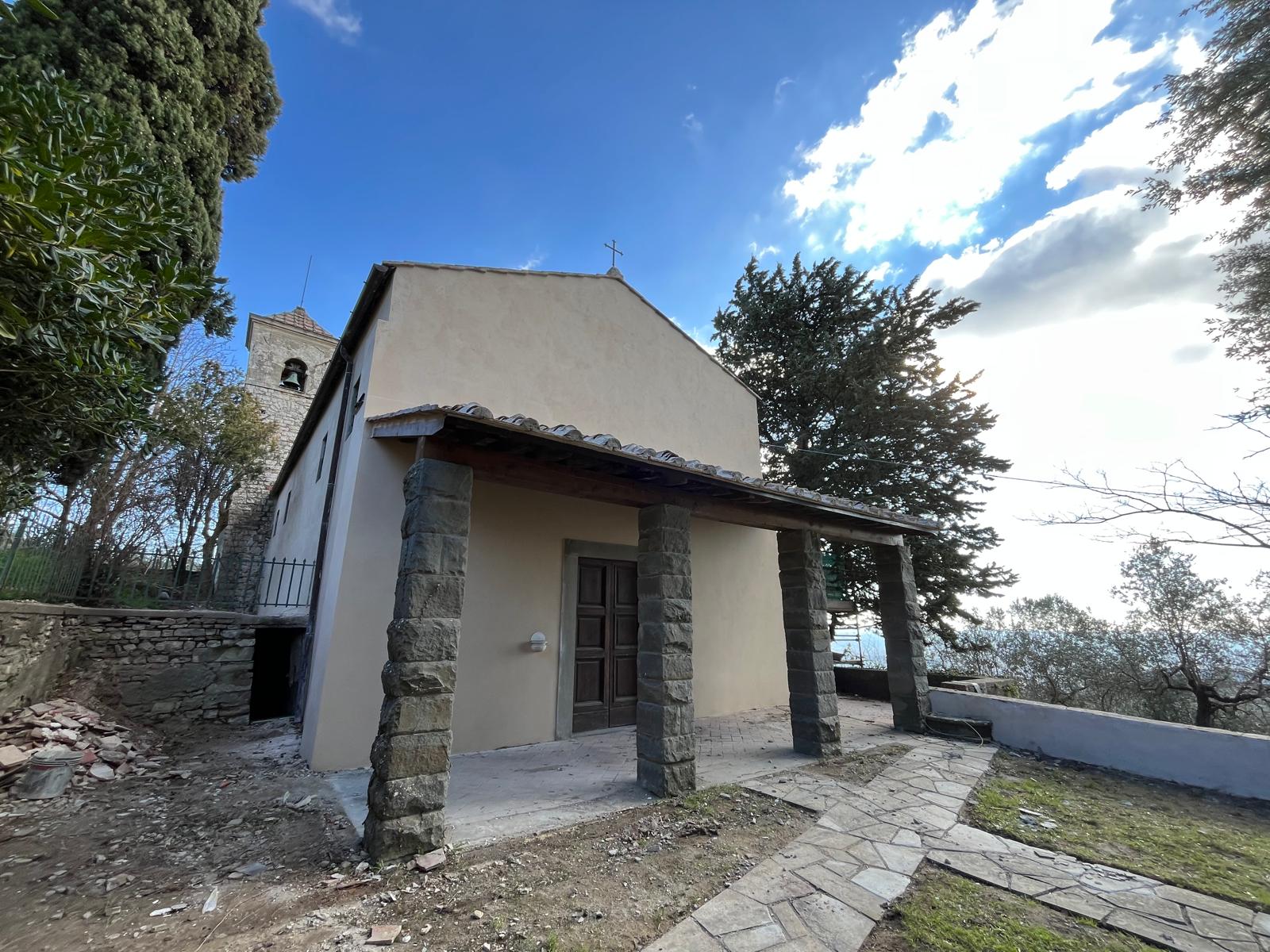
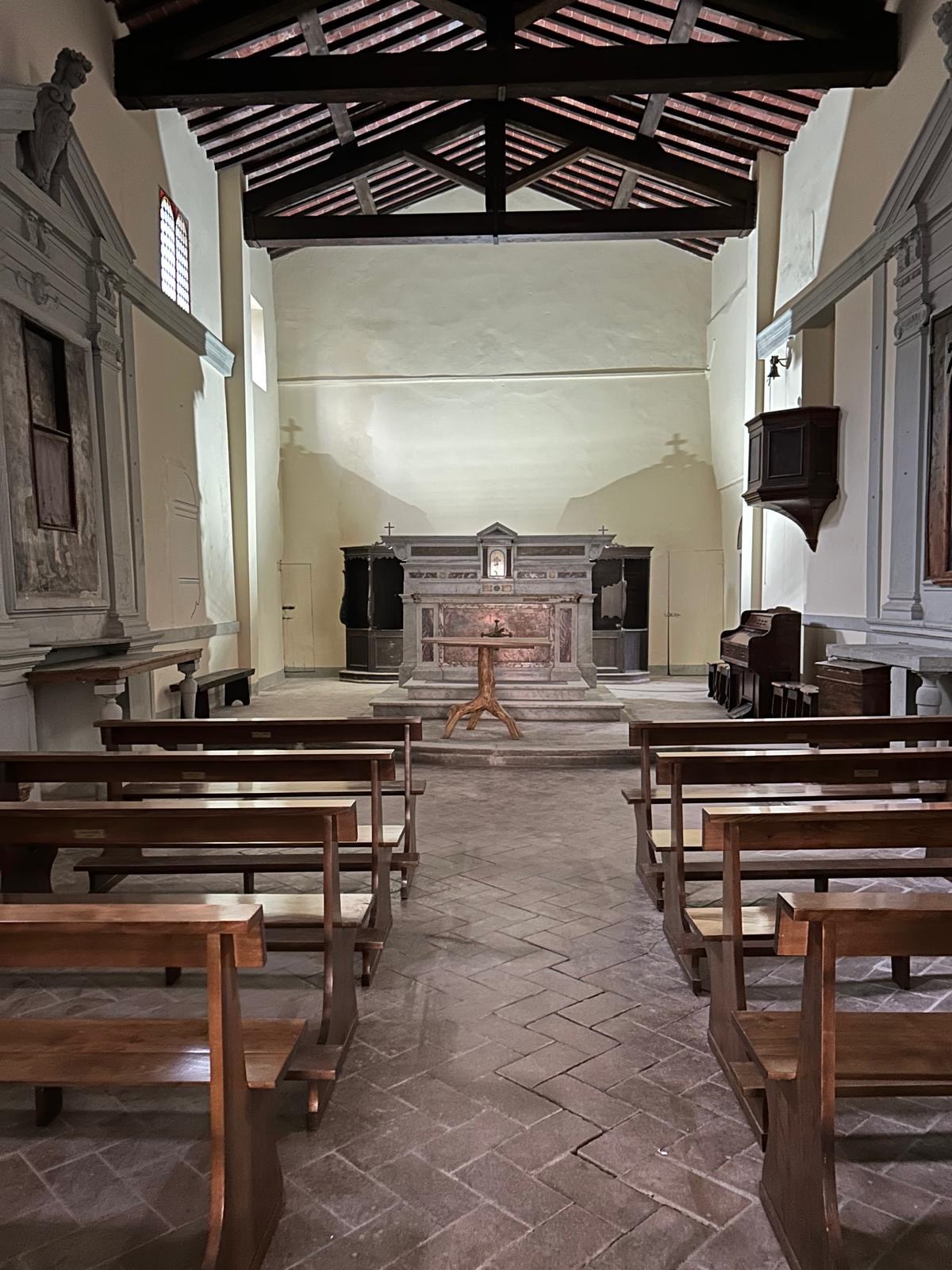
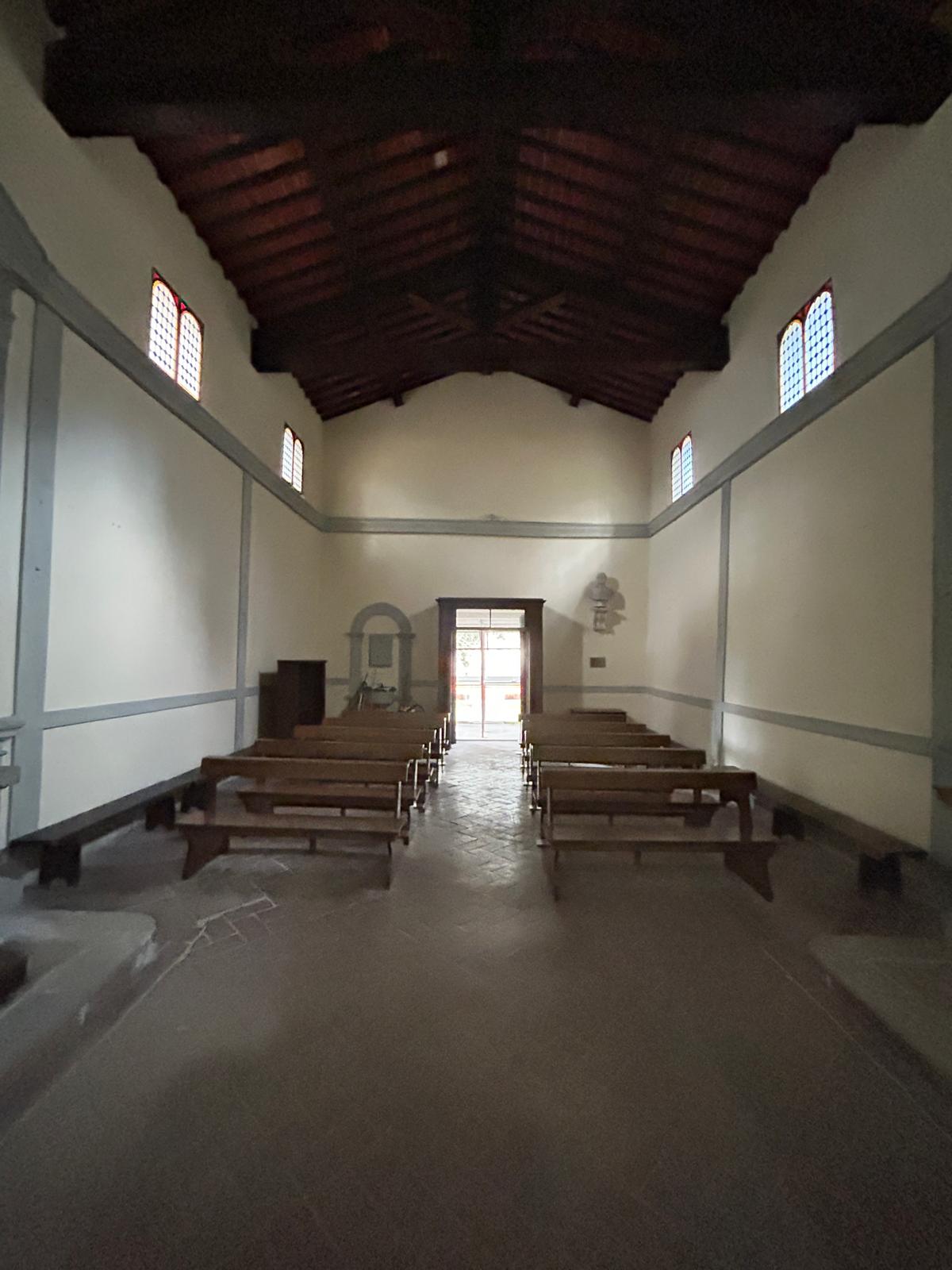
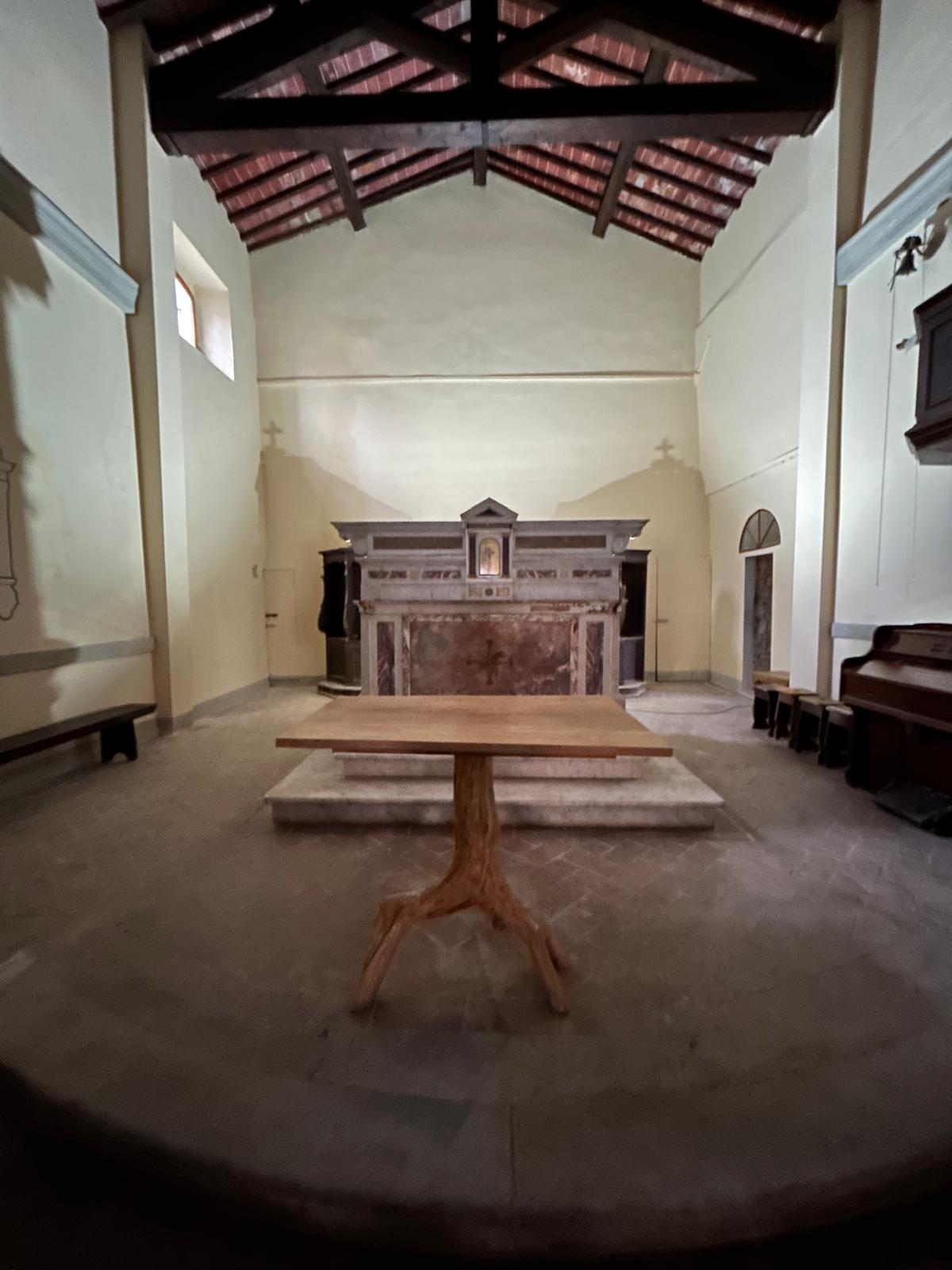
The Church of San Silvestro in Ruffignano is a 12th-century church that represents an important cultural and historical heritage for the Florence area.
The Church of San Silvestro in Ruffignano is a 12th-century church that represents an important cultural and historical heritage for the Florence area.
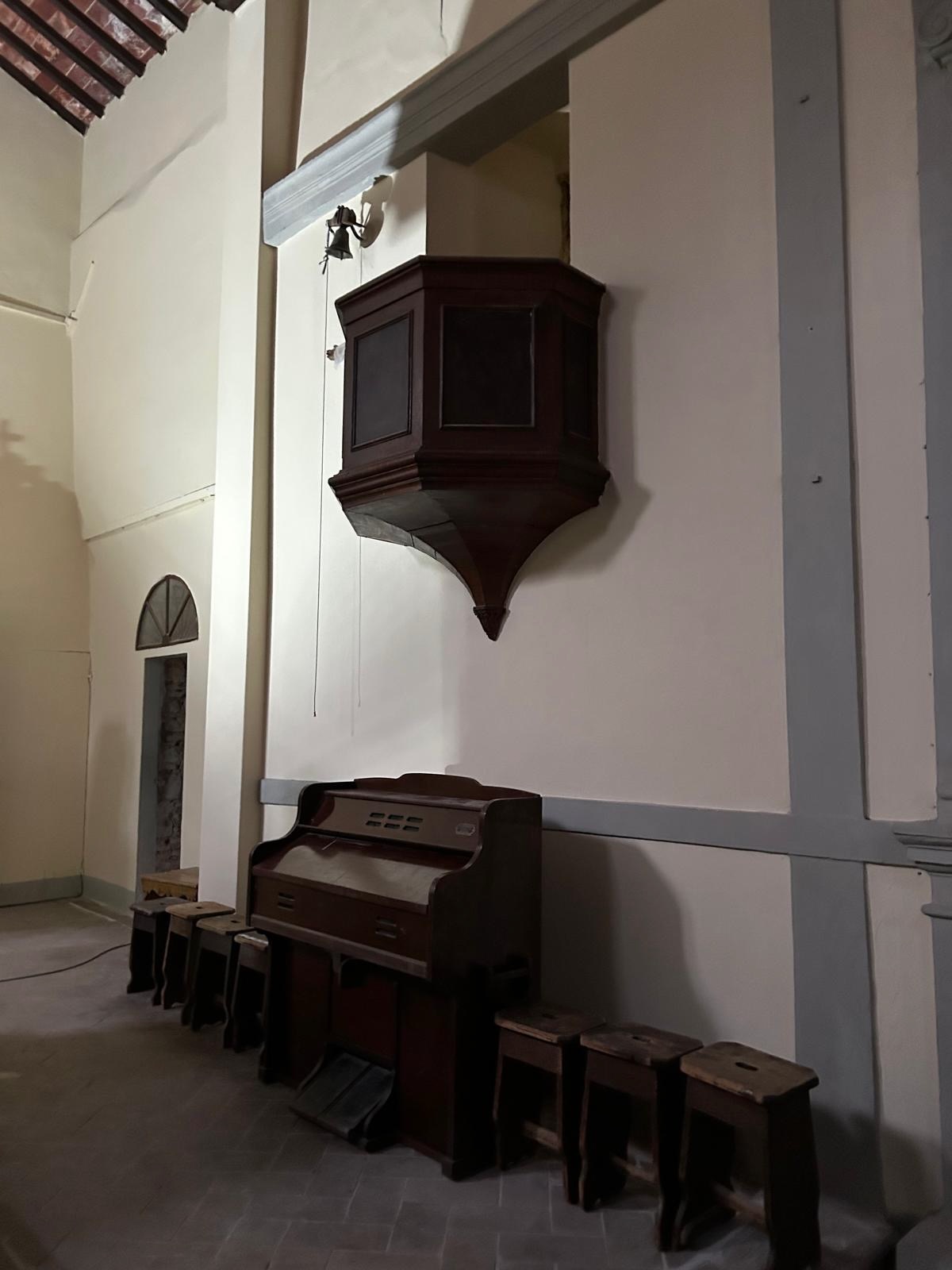
Information about the history
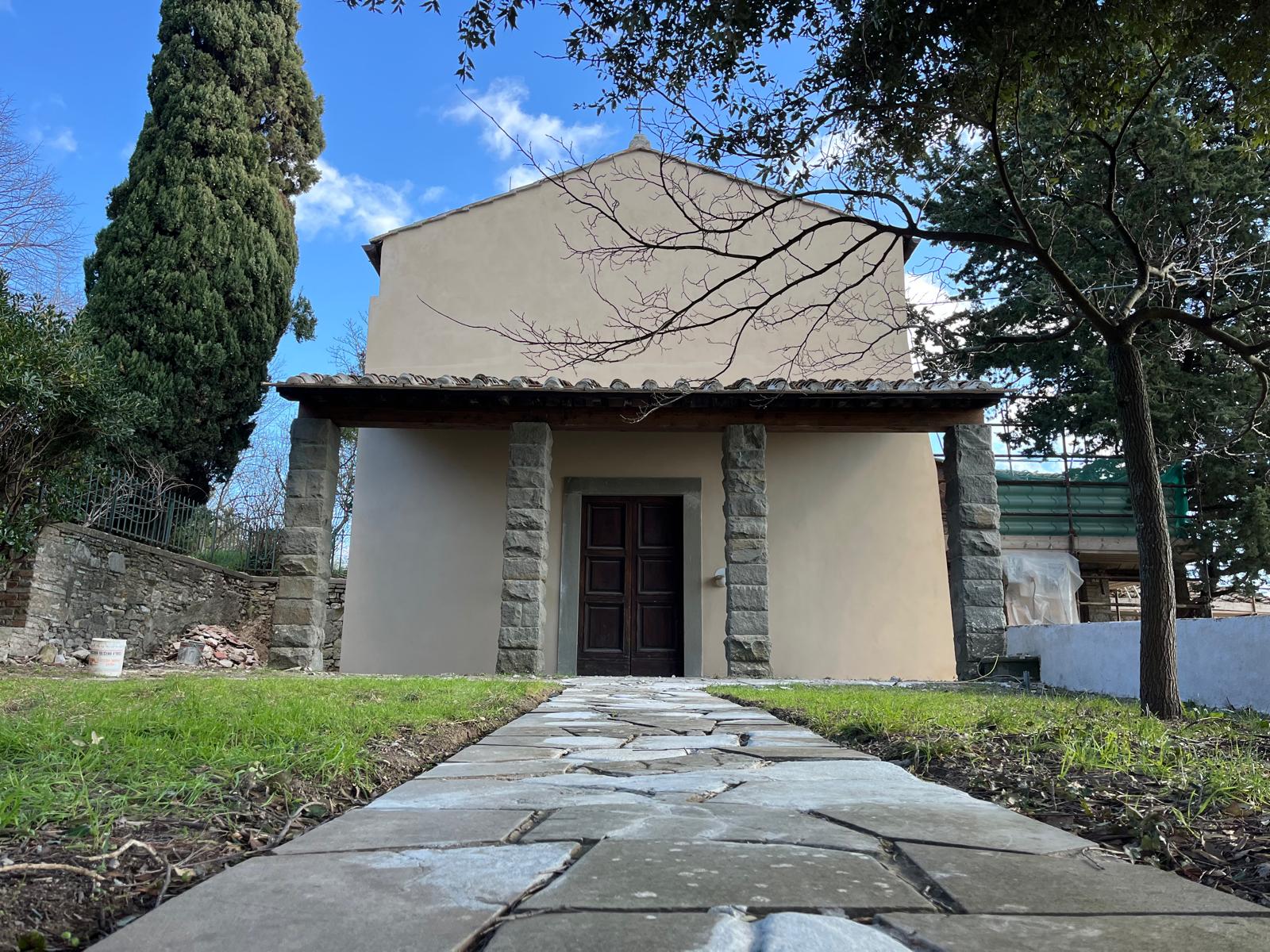
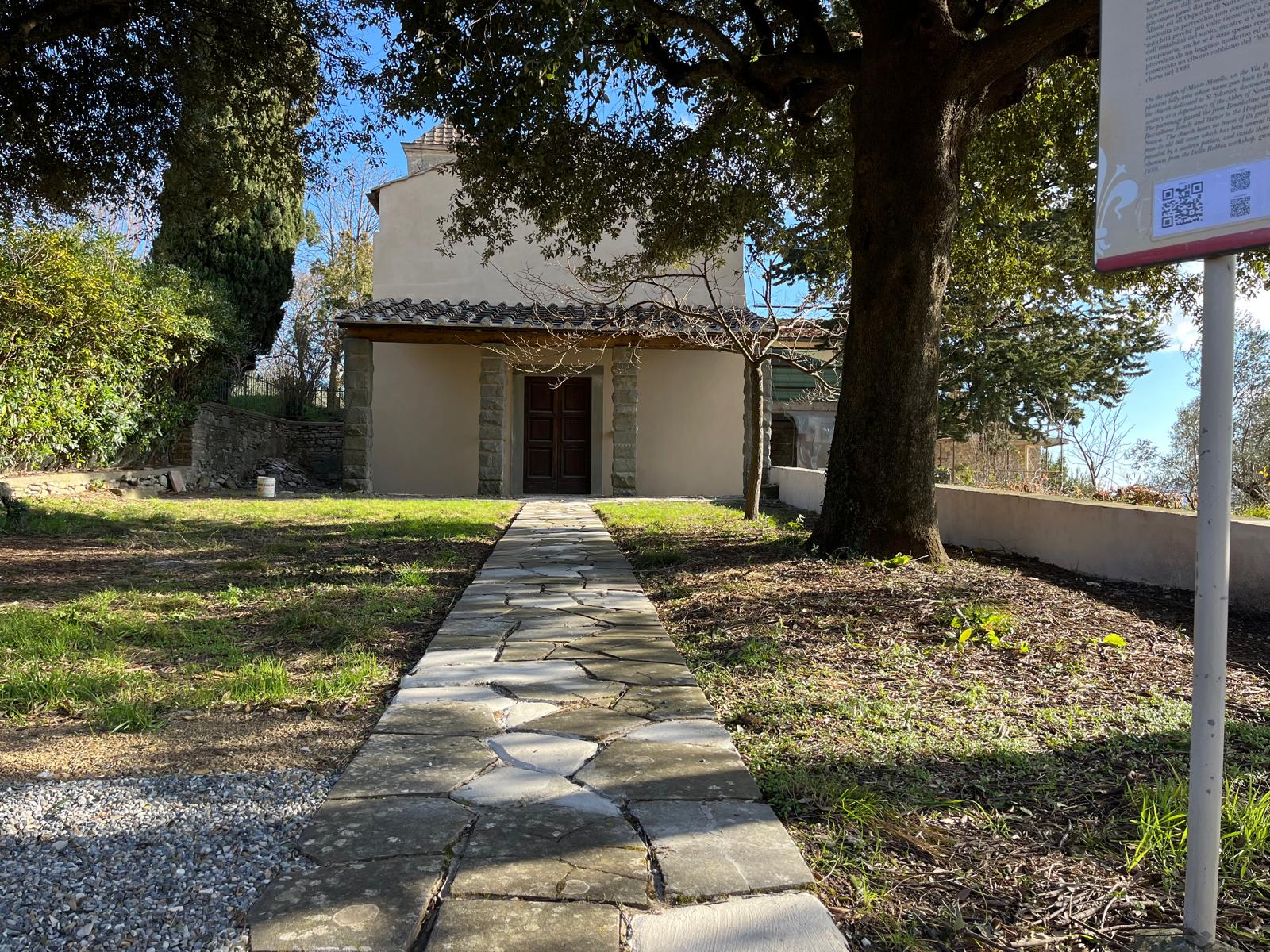
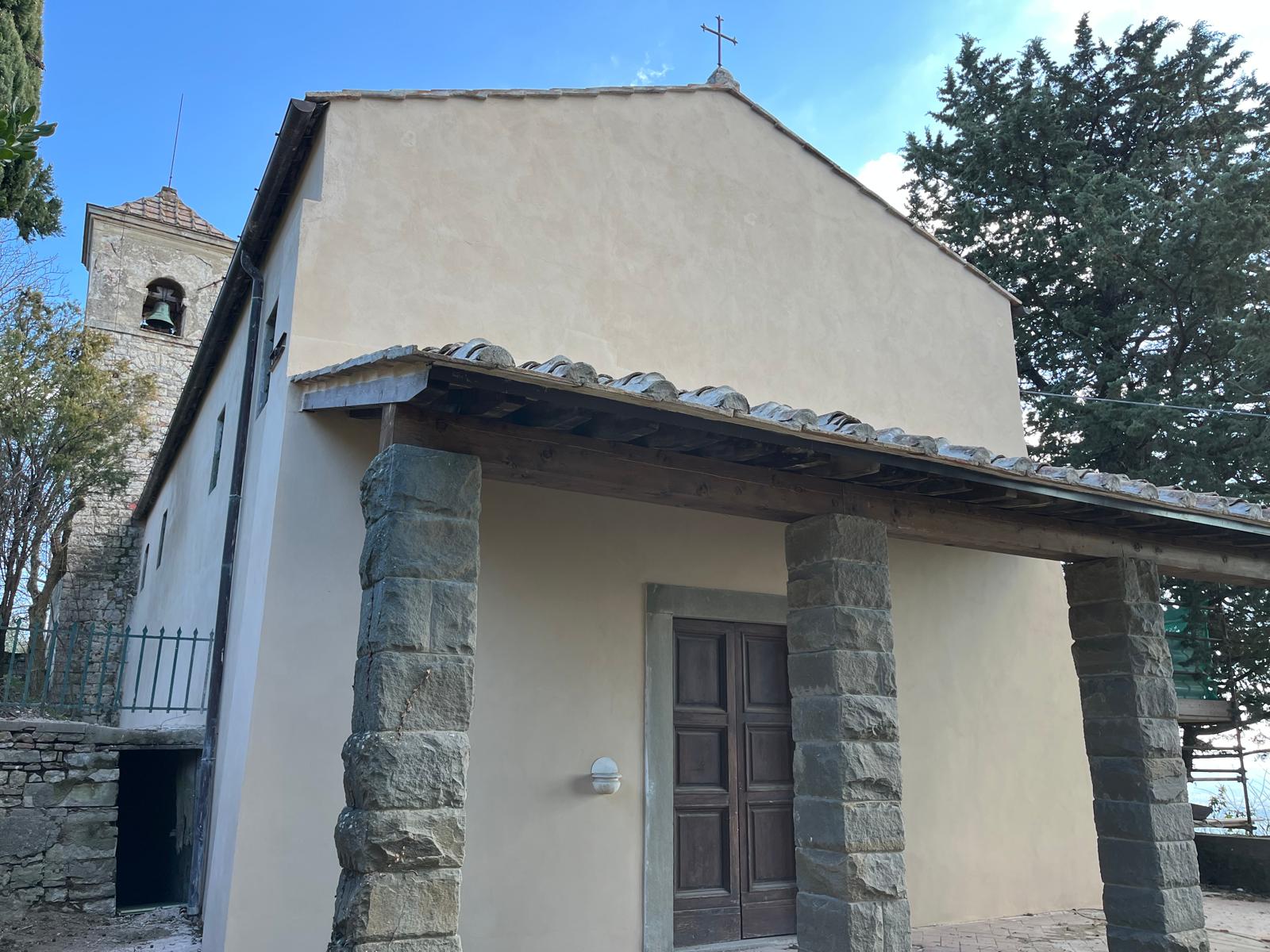
S. Silvestro in Ruffignano is located along the route of an ancient Roman road. This is supported by the fact that the area retains the name Ruffignano, which is of evident Roman origin. During the medieval period, there were human settlements in the area, as evidenced by some architectural elements incorporated into buildings that still exist today.
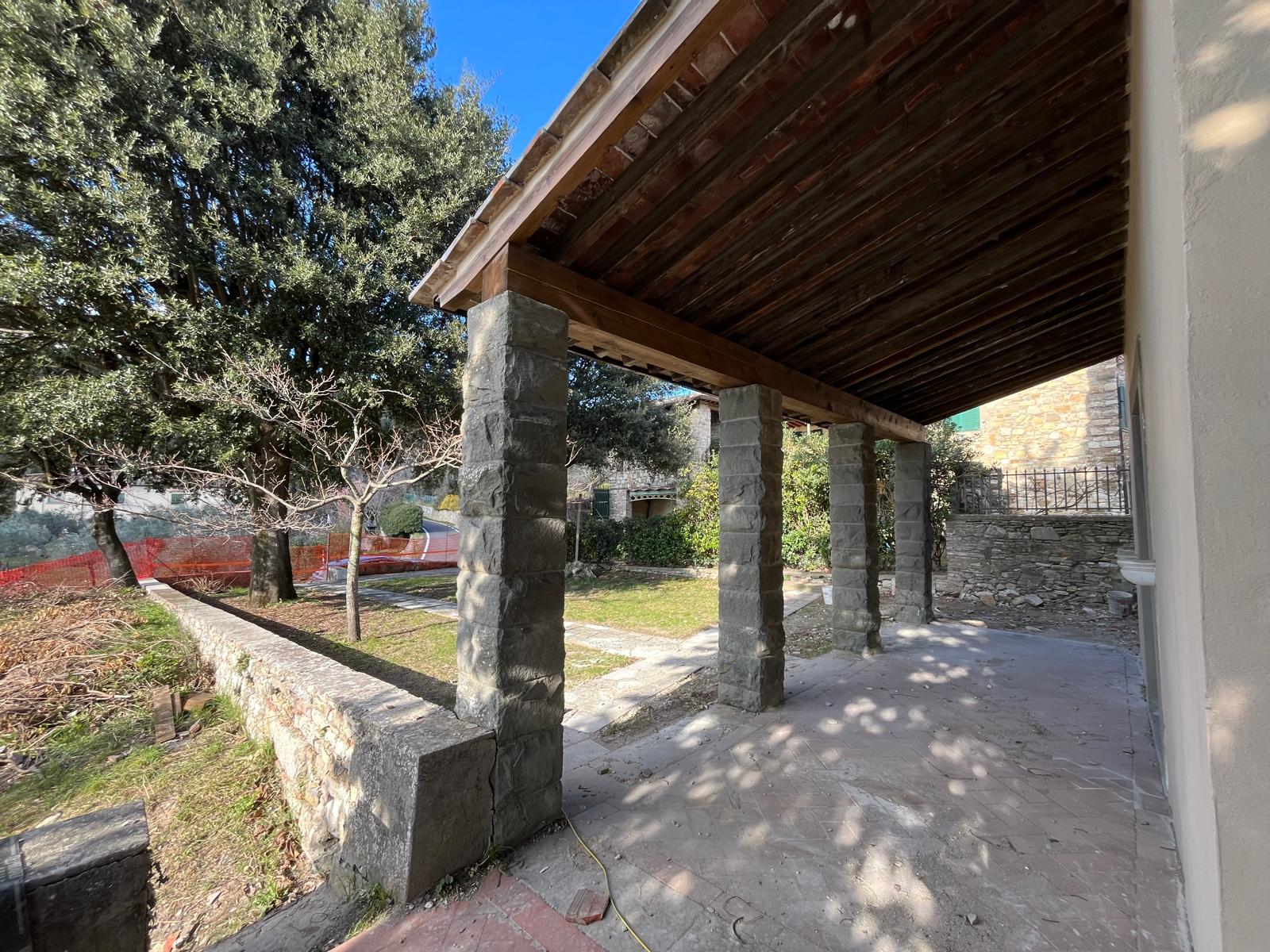
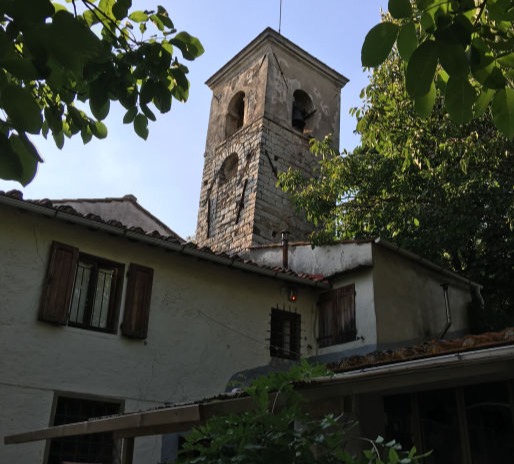
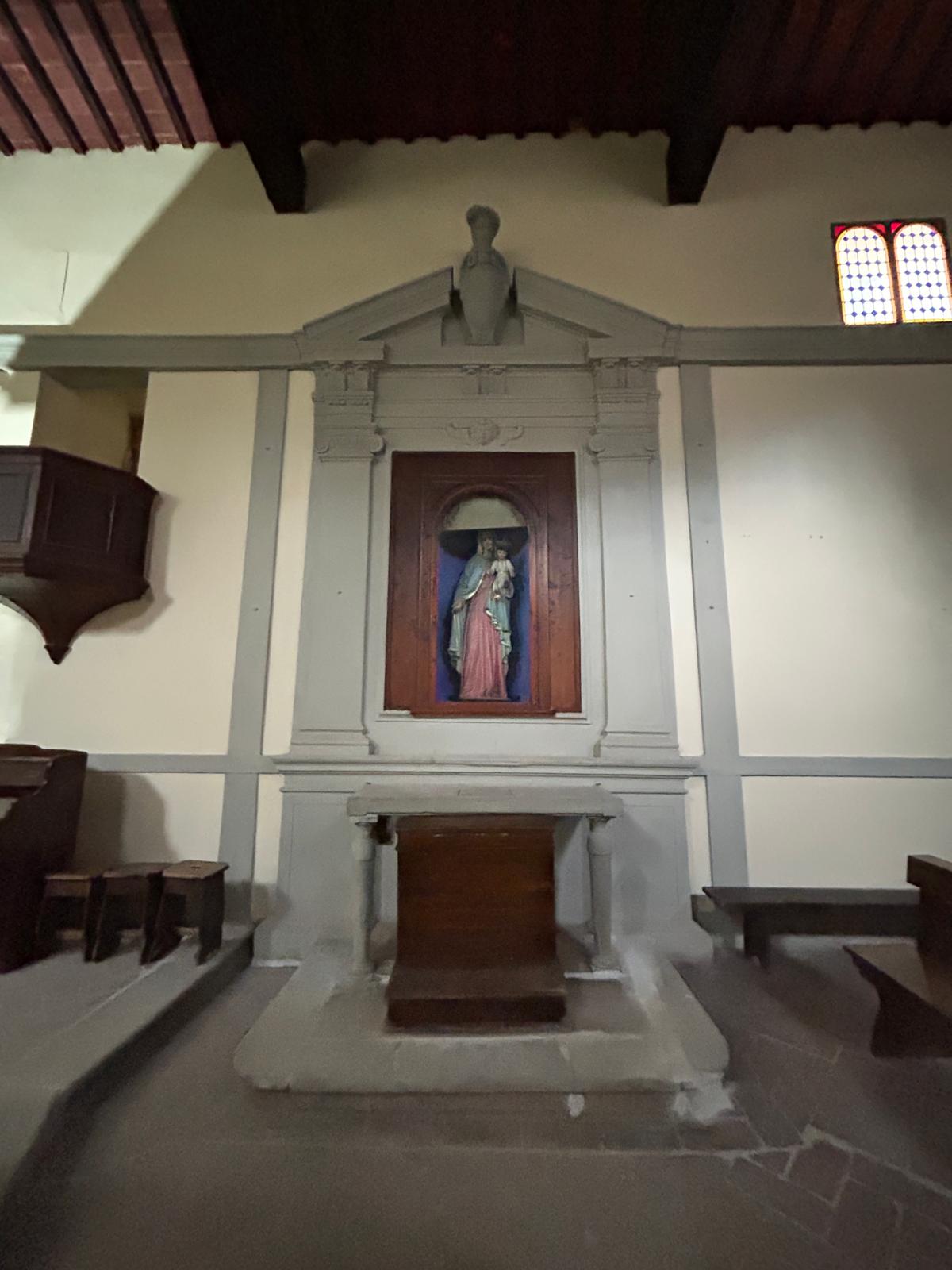
The church features a Romanesque architectural style, characterized by simplicity and sturdiness. Over the centuries, the structure underwent various modifications and restorations, which introduced elements of other architectural styles, such as Gothic and Renaissance. The Church of San Silvestro in Ruffignano is part of an ancient building complex dating back to the 12th century, with visible traces of this era still observable in the lower section of the bell tower. The original layout of the church dates back to the late 16th century, as documented in the “Plan of Peoples and Streets” by the Capitani di Parte Guelfa (1580–1595). The current architectural configuration of the complex is the result of ongoing restorations necessitated by the unstable terrain and the presence of underground water.
Between the 10th and 11th centuries, the flow of pilgrims traveling through Tuscia on their way back from Jerusalem increased significantly, particularly during the period between the papacy of Sylvester II and the destruction of the Church of the Resurrection in Jerusalem by the Egyptian Caliph Al-Hakim. During this time, the liturgy of the “Visitatio Sepulchri” also appears to have developed, which further increased pilgrim traffic along the Via Francigena. The Church of S. Silvestro, therefore, dates back to the 12th century and was part of this network of hospitality.
It is described in Ripetti’s Geographical, Physical, and Historical Dictionary of Tuscany:
“House with parish church (S. Silvestro) to which the congregation of S. Bartolomeo a Carmignanello is annexed (...) This church was under the patronage of the notable Abbey of S. Silvestro in Nonantola, and later of the Monsignore of S. Felice in Piazza of Florence, who was a member of the same Abbey. Among other evidence, this is confirmed by a sentence pronounced on May 2, 1147, by Azzone, Bishop of Florence, which states that the priest Bernardo, rector of the Church of S. Ruffignano, had promised two monks of the Abbey of Nonantola to recognize the monastery as the patron of his church, while maintaining obedience to the parish priest of S. Stefano in Pane.”
According to a document dated September 16, 1290, reported by Tiraboschi in his Nonantolan History, the church was transferred under the jurisdiction of the Monastery of S. Felice. The church was declared a Priory by Mons. Antonio Martini on July 29, 1797, when the Church of Bartolomeo di Carmignanello was annexed to Ruffignano.
In 1812, Napoleon Bonaparte, at the proposal of the prefect of Florence, De Fauchet, signed a decree transferring the parish seat of Ruffignano to the nearby and more sumptuous church of Santa Lucia alla Castellina, which had previously belonged to the Carmelite Order. However, with the fall of the Napoleonic Empire, the transfer never occurred.
Via di Ruffignano 10, Florence, Italy